
Understanding Medical Malpractice: Your Rights Explained
Did you or a loved one suffer from a debilitating personal injury at the hands of a negligent physician or medical professional in Kansas City, Missouri? Are you afraid of voicing out your contempt for the malpractice of these respected medical practitioners?
Regarding medical malpractice in Kansas City, Missouri, understanding your rights is crucial. Whether it’s a surgical mistake, misdiagnosis, or improper treatment, such negligence can have life-altering consequences.
Pursuing a medical malpractice claim might seem overwhelming, but legal help can make a difference. By holding negligent parties accountable, you not only seek justice for yourself but also help prevent future mistakes.
Quick Summary
Below is an overview of the key points of this article.
- Medical malpractice refers to errors made by healthcare professionals in hospitals, doctor’s offices, or during telemedicine, causing harm due to acts they did or failed to do, breaching the standard of care.
- The most common types of medical malpractice include misdiagnosis, surgical errors, medication errors, anesthesia errors, birth injuries, environmental errors, failure to treat, failure to warn, and infections due to inadequate prevention measures.
- If you suspect medical malpractice, promptly obtain your medical records, consider changing doctors to avoid conflict of interest, and act swiftly due to Missouri’s two-year statute of limitations for filing claims.
- Liability extends to licensed healthcare providers like doctors, nurses, pharmacists, hospitals, and nursing homes who negligently breach their duty of care, leading to patient harm.
- In Kansas City, the general statute of limitations for medical malpractice is two years from the injury date, with exceptions like the discovery of foreign objects or failure to inform about test results extending this period.
- Filing a medical malpractice claim in Missouri requires submitting an affidavit of merit within 90 days, including opinions from qualified healthcare providers on the breach of care standards and resulting harm.
- Compensation in medical malpractice lawsuits includes compensatory damages for medical expenses, lost wages, pain and suffering, and in some cases, punitive damages for gross negligence or misconduct.
What Qualifies as a Medical Malpractice?
Medical malpractice can happen in many places like hospitals, doctor’s offices, pharmacies, or even during phone calls for telemedicine visits. It involves a healthcare professional doing something wrong that causes harm.
Sometimes, it’s because they did something they shouldn’t have done. Other times, it’s because they didn’t do something they should have done.
What Are Common Types of Medical Malpractice in Kansas City, Missouri?
Medical malpractice causes serious injuries to thousands of Americans each year. Below are some of the most common types of medical malpractice.
Misdiagnosis or Failure to Diagnose
One of the first steps in medical treatment is finding what’s wrong. Doctors can make mistakes and misdiagnose a problem, but that doesn’t always mean it’s malpractice. The patient must be harmed by the misdiagnosis for it to count as medical malpractice.
This harm must happen because the healthcare provider did not follow the correct standard of care. A delayed diagnosis is also a type of medical malpractice. This occurs when a healthcare provider takes too long to diagnose a condition, leading to harm.
For example, if a healthcare provider does not diagnose an infection in time, it can cause serious harm or even death.
Surgical Error
Surgeries need precision and accuracy to go well. Unfortunately, surgeons or their helpers can make mistakes that hurt patients. For example, they might leave a medical tool inside the patient’s body or remove the wrong kidney.
Sometimes, errors with medical records can lead to surgery on the wrong person. In these cases, it is clear that the surgical team’s carelessness caused harm to the patient.
Medication Error
Medication errors can happen when the wrong medicine or amount is given to a patient. These mistakes can cause serious injury or even death. Misreading medical charts or patient information can lead to these errors. Sometimes, miscommunication among healthcare workers or mistakes in giving out medicine also causes these problems.
Anesthesia Error
Anesthesia is used during surgery to stop a patient from feeling anything. These strong drugs need careful monitoring of the patient’s response. Sometimes, patients have died from getting too much anesthesia. Other times, patients have woken up during surgery because they did not get enough.
It is the anesthesiologist’s job to prevent these problems. If they fail, it could be considered medical malpractice.
Birth Injury
Childbirth can cause many problems. Both the mother and child can suffer lifelong harm or even die if things go wrong. If a doctor’s incompetence causes harm to either patient, it might be medical malpractice. For example, not monitoring the baby before birth or not checking the mother’s blood loss.
Environmental Error
Environmental errors are a rare kind of medical malpractice, but they can happen. These errors occur when the hospital or medical facility’s environment causes harm. For example, patients might get exposed to bacteria from the ventilator system. Machines used during surgery can also cause infections.
Medical Product Liability
Doctors use medical devices and tools to give treatments. If one of these devices fails and harms a patient, it is medical malpractice. For example, a vein stent might break and damage a patient’s heart. If the manufacturer knew or should have known about this problem, they acted negligently and must pay damages to the victims.
Failure to Treat
Failure to treat happens when a healthcare provider does not give the proper care needed. This lack of treatment can lead to the patient getting worse or not recovering. Sometimes, the doctor might not give the right medication or follow up on test results. When this happens, the patient can suffer from a poor outcome.
Failure to Warn
Your doctor must tell you about the known risks of a procedure or treatment. This is called the “duty of informed consent.” If your doctor doesn’t explain the possible dangers of treatment and you suffer complications you didn’t know could happen, you might have a legal case.
Infections
Infections can happen when healthcare providers don’t take steps to prevent them, like cleaning equipment well and washing hands. These infections can be very serious if they occur.
It’s the responsibility of healthcare professionals to follow these measures to keep patients safe from harm. When they fail to do so, it can lead to harmful infections for patients.
What to Do If I’m a Victim of Medical Malpractice in Missouri?
Being injured by a doctor or other healthcare professional’s mistake can be tough. Instead of healing and getting better, things can go wrong and get worse, like taking a step forward and then two steps back. If you think you or someone you care about might be a victim of medical malpractice, here are some steps you should take.
- Get Your Medical Records. If you suspect malpractice, it’s important to get a copy of your medical records quickly. This way, a lawyer reviewing your case will have the necessary information. Getting your records promptly also reduces the chance that a doctor might change them to hide any mistakes.
- Switch Doctors If Possible. It’s not wise to keep seeing a doctor you’re accusing of malpractice. A clever defense lawyer could use this against your case. If you can, try to change doctors if you suspect malpractice. If you can’t switch, make sure you have evidence showing why you couldn’t change doctors.
- Act Fast. Medical malpractice cases have strict time limits called statutes of limitations. In Missouri, you usually have two years to file a medical malpractice case. Even though this might feel like a long time, preparing a case can take a while. There’s a lot of work to do before filing a lawsuit. Make sure you and your lawyer have enough time to get everything ready, so you’re not rushing or running out of time.
Who Can Be Held Liable for My Medical Malpractice Injuries?
Any licensed healthcare provider acting in their licensed capacity is liable for negligence. This includes the following:
- Doctors
- Nurses
- Therapists
- Home health aids
- Pharmacists
- Hospitals
- Nursing homes
Statute of Limitations for Medical Malpractice in Kansas City, MO
In Kansas City, the statute of limitations for filing most medical malpractice cases is two years after the date of injury. But this is only a general rule as different situations can extend this further. Some examples of exceptions include the following:
- If the negligent act involved the physician leaving a foreign material inside their patient’s body resulting in the subsequent injury, then the complainant has two years from the date of the foreign material’s discovery.
- If the negligent act involved the physician failing to inform the patient of a medical test result that resulted in the subsequent injury, then the complainant has two years from the date of the discovery of the medical negligence.
- If the patient is less than 18 years old when the medical malpractice occurred, they have until they turn 20 to file a medical malpractice action. The two-year period does not apply to this scenario.
Lastly, the Missouri statute of repose serves as the last possible time for complaint filing. The statute gives a complainant 10 years after the malpractice occurs to file a proper claim. After this period, any claim, even valid ones, would not be accepted.
What is the Procedure for Filing a Medical Malpractice Claim?
In filing a medical malpractice claim, Missouri law states that the filing party needs to send an affidavit of merit within 90 days after a personal injury. The affidavit of merit must include the following:
- The written opinion of a legally qualified healthcare provider
- A written statement from the health provider pointing to the defendant failing to maintain the standard of care a cautious and sensible medical professional should have been able to uphold
- A written statement from the health provider that the negligent actions led to the under harm that you received, resulting in your filing of the claim
Under Missouri law (Section 538.225), a legally qualified healthcare provider is someone licensed to practice in Missouri or another state. They must be in the same profession and specialty as the defendant doctor. This provider will likely need to testify if there’s a trial.
What Do I Have to Prove in My Medical Malpractice Claim?
In Missouri, the first thing needed for a medical malpractice claim is proof of a doctor-patient relationship. For many people, this is easily shown with years of medical records from their regular doctor.
Sometimes, cases involve treatment by specialists or new professionals, requiring consent forms or other paperwork to establish the relationship. To pursue a medical malpractice case, you’ll need to prove four main points:
Duty of Care
Duty of care means that medical professionals or hospitals have a responsibility to provide a certain level of care to their patients. This standard of care ensures patients receive proper treatment and attention. It’s crucial in medical malpractice cases to show if this duty was breached.
Breach of Duty
Breach of duty happens when a medical professional or hospital fails to meet the expected standard of care. This means they didn’t provide the level of treatment or attention that patients reasonably expect. In medical malpractice cases, proving this breach is crucial to showing negligence.
Causation
Causation means proving that the breach of duty directly led to the patient’s injuries. It’s about showing that the actions or negligence of the healthcare provider resulted in harm to the patient. This is a critical part of medical malpractice cases, as it connects the provider’s mistakes to the patient’s suffering.
Damages
Damages refer to the harm or losses suffered by the patient as a result of their injuries. This includes things like medical expenses, lost wages from being unable to work, and pain and suffering. In a medical malpractice case, proving the extent of these damages is important for seeking compensation.
What Compensation Can I Get in My Medical Malpractice Lawsuit?
A victim who can prove their case by a preponderance of the evidence can be awarded compensatory damages, which are usually some combination of general damages and special damages.
General Damages
General damages, also known as “non-economic” damages, are the emotional and life impact of medical malpractice on the patient. These can include:
- Pain and suffering
- Loss of enjoyment of life
- Inability to pursue hobbies or participate in activities
- Effects of long-term or permanent disability
- Loss of consortium
Special Damages
Special damages, also known as “economic” damages, include the measurable financial impacts of medical malpractice, such as:
- Medical expenses
- Future medical care costs due to malpractice
- Lost time from work or income
- Long-term impact on future earning potential
Punitive damages are possible in Kansas City and Missouri, but they are uncommon in medical malpractice cases. In Kansas, proving such damages requires clear evidence of willful behavior, gross negligence, fraud, or malice.
Missouri sets a maximum of $350,000 for damages in medical malpractice cases resulting in wrongful death, while Kansas limits non-monetary losses in similar cases to $250,000 under Statute Section 60-1903a.
Why Do I Need a Medical Malpractice Lawyer in Kansas City, Missouri?
When medical mistakes lead to injury or death, people and their families often seek help from a medical malpractice attorney in Kansas City, Missouri. These attorneys investigate what happened, collect evidence, and build cases to help injured patients receive fair compensation.
They know state laws well and have experience dealing with insurance companies, hospitals, and healthcare providers. A medical malpractice lawyer can:
- Review Medical Records. Carefully examine medical records to find out if a healthcare provider made mistakes or didn’t give proper care according to accepted rules. They look for signs that show if the doctor was negligent or didn’t follow the right way to treat patients. This investigation helps the lawyer understand if there’s a case to argue that the patient was harmed due to medical errors.
- Assess Damages. Carefully examine how much harm a patient has suffered because of medical mistakes. They assess if these harms are enough to ask for money as compensation in a legal case. This evaluation helps the attorney decide if there’s a strong reason to file a claim seeking financial recovery for the patient.
- Build Your Case. Building your case involves a skilled legal team collecting evidence, talking to witnesses, and getting expert opinions. They do this to create a solid argument against people who didn’t take proper care of you as their patient or client. This process helps show why you deserve compensation for what happened.
- Negotiate With Insurers. When dealing with insurance companies after medical malpractice, they might offer less money than you deserve. A medical malpractice lawyer can ensure you receive fair compensation. They will discuss with the insurance company to reach a fair settlement that compensates you properly for what you’ve experienced.
- Take Legal Action. If you can’t reach a fair agreement with the insurance company, your lawyer can bring your case to court. They will show evidence and make arguments in court to fight for the justice you deserve. This ensures your side of the story is heard and considered by the judge or jury.
Schedule an Appointment with a Kansas City Medical Malpractice Attorney Today
Medical malpractice is sometimes treated with apprehension. Given that a lot of us trust our physicians, it is sometimes hard to point fingers at our lifesavers. But if you feel that grave medical negligence has been done to you or a person close to you, then you should not be afraid of seeking legal help.
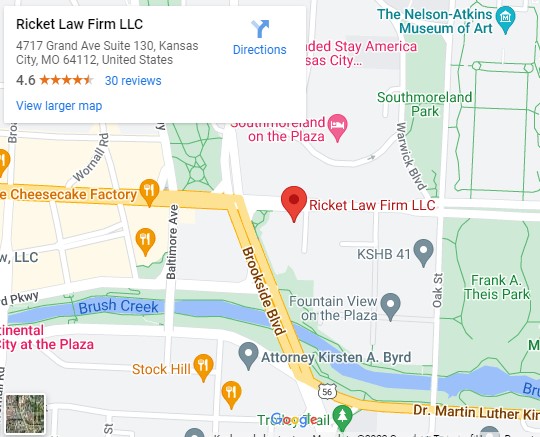
It is your right to seek help from professionals, and our legal team at Ricket Law Firm LLC assures you that we will take the utmost care with your case. Our reliable group of attorneys is well-versed in the practice area of medical-related concerns like medical malpractice.
These also include other related claims such as nursing home abuse and neglect, home health abuse, and daycare abuse. Given how these medical malpractice cases rely on proper attention to evidence as well as steadfast and immediate action, our attorneys who are experienced in this field would be able to give you immediate and careful consideration.
In the end, our goal as a medical malpractice law office is to allow you to focus on the things that are more important to you. With our partnership, we hope that the civil law procedure should not become another source of stress for you, but rather, an avenue for justice to be served properly. Schedule your consultation today.